
Bring the whole home into focus
Whole-Home Remodeling in Laguna Woods, CA
Call (949) 787-5884When several rooms no longer support the way you live, a coordinated renovation can help you see the home as a whole. Harry Wright Premier Construction Laguna Woods presents whole-home remodeling as a planning conversation about priorities, connections, and the practical impact of construction. You may want a more consistent interior, better circulation, or improvements that address several daily frustrations at once. Begin by identifying what works, what needs attention, and which decisions affect multiple spaces. This guide outlines the questions behind a broader residential renovation. Call (949) 787-5884 to discuss whole-home remodeling in Laguna Woods, California.
Residential improvements • Laguna Woods, California
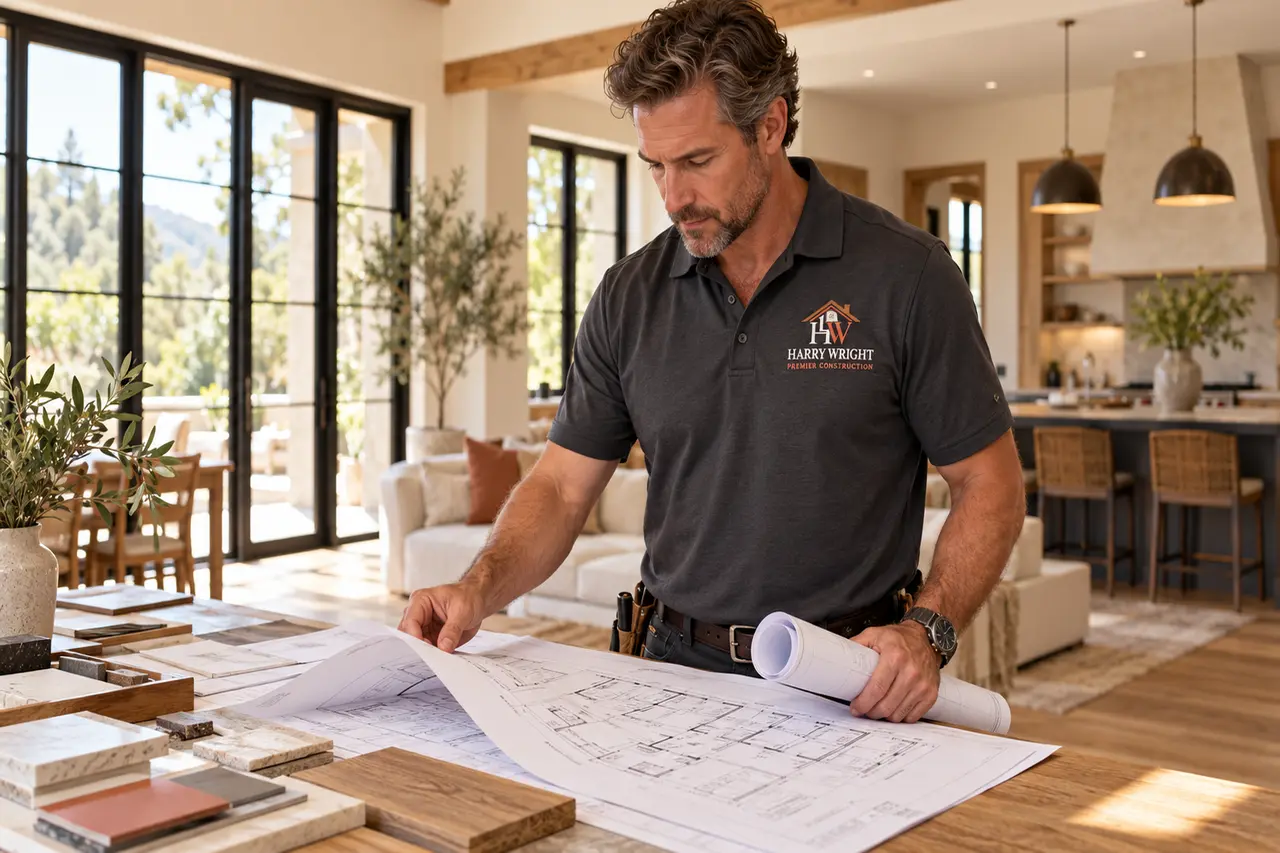
Build a priority list before choosing a design direction
Walk through the home and record the improvements you would make in each area. Then separate them into essentials, useful additions, and ideas that can wait. This exercise helps prevent a broad renovation from becoming a collection of unrelated upgrades. Consider storage, movement between rooms, privacy, and the quality of everyday light. Identify features worth retaining so the project does not remove character simply for the sake of change. Your priorities should guide the planning discussion before materials are selected. A clear list also makes it easier to revisit the scope if budget or property constraints require a different approach.
Coordinate rooms instead of designing them in isolation
Whole-home remodeling can connect decisions that would otherwise be made separately. Floor heights and transitions, trim details, lighting, door styles, and wall finishes should be considered together. An opening between rooms can affect privacy and furniture placement as well as visual flow. Think about how the kitchen, living area, bedrooms, and bathrooms relate to one another throughout a normal day. Consistency does not require every room to look identical; it means the choices feel intentional. A coordinated plan should explain where materials repeat, where a different treatment is useful, and how those choices support the home's overall function.
Evaluate existing conditions before committing to changes
Older alterations, available utility capacity, and the condition of surfaces or systems can affect a renovation. Existing plans are helpful, but they may not show every change made over time. Discuss what needs evaluation before a detailed scope is agreed and what might remain uncertain until selected areas are opened. Structural changes should receive appropriate professional review. Do not assume that relocating a fixture or removing a wall is a simple finish task. For Laguna Woods properties, check city requirements and applicable association approvals for the actual work. Those dependencies belong in the planning discussion because they influence both sequencing and the options available.
Choose a phasing approach that fits your household
A broad renovation may be planned as one project or as coordinated phases. Either approach needs a practical discussion about access, facilities, material continuity, and repeated disruption. If you intend to stay in the home, identify where you will sleep, cook, and store essential belongings during each stage. Some combinations of work may make temporary relocation more practical, but that decision depends on the actual scope. Phasing should be evaluated carefully rather than presented as a universal way to save time or money. The useful question is which arrangement supports the household while allowing the work to proceed responsibly.
Make decisions in a sequence that supports the work
Several choices affect more than one trade. Appliance specifications can influence cabinetry and electrical planning; floor selections can affect transitions and door clearances; lighting can affect ceilings and controls. Ask which selections need confirmation before related work begins. Keep a record of product specifications and approved changes so everyone works from the same information. Material availability should be checked when scheduling is discussed. If a selected product changes, review its effect on surrounding details rather than assuming it is interchangeable. A coordinated decision sequence helps reduce avoidable conflicts and gives owners a clearer understanding of their responsibilities during planning.
Understand the full scope and the route to closeout
A whole-home proposal should distinguish the work in each area while explaining the responsibilities shared across the project. Review demolition, protection, utility work, selected finishes, installation, cleanup, and any approval or inspection tasks. Ask how existing-condition discoveries will be communicated and how changes are documented. Near completion, a walkthrough should identify items requiring attention and explain product care or relevant documents. The actual closeout arrangements belong in the agreed scope. Keeping expectations specific helps you understand the project from the first planning conversation through the final review, without relying on a broad promise of a transformation.
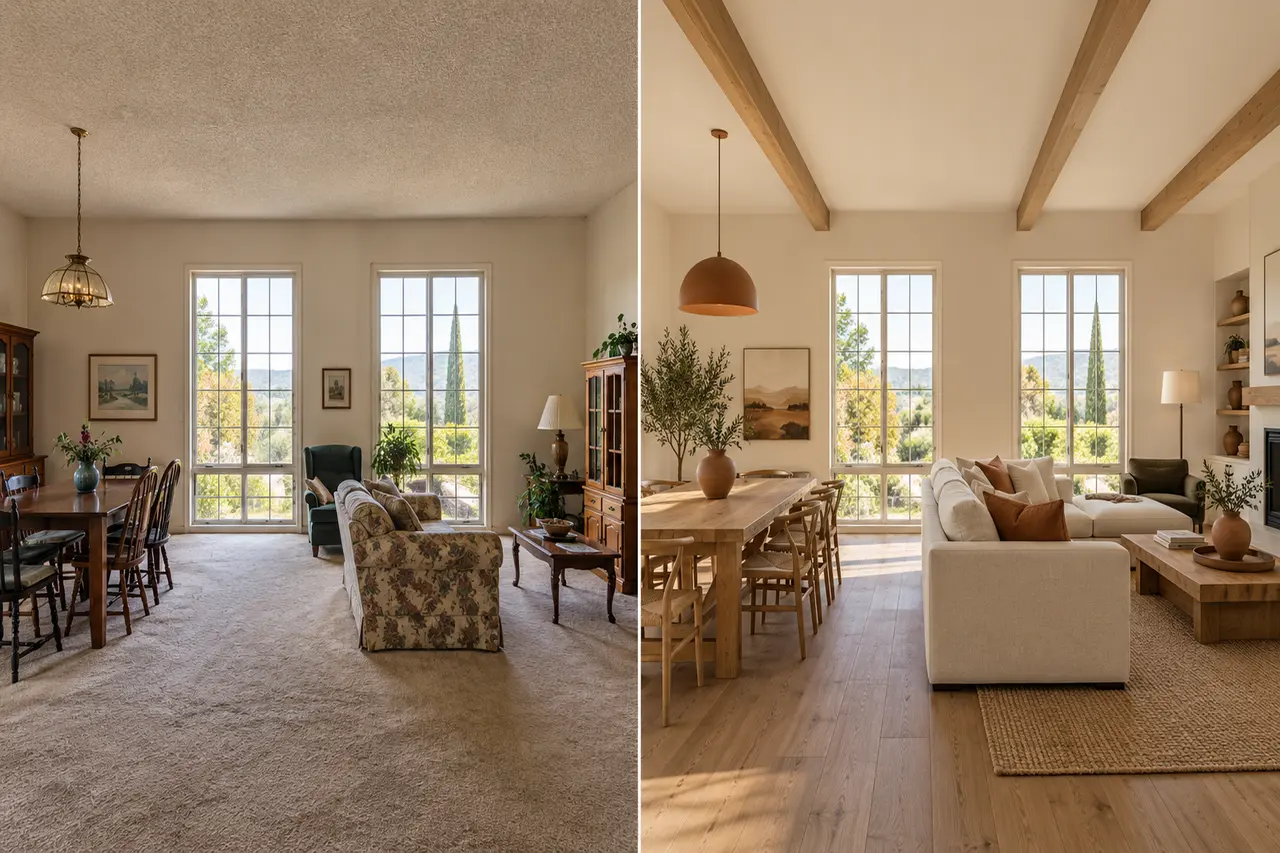
Imagine the possibilities
A different way to use the same space.
Before-and-after design concept.
Illustrative imagery, not a completed client project.
Helpful answers
Questions worth asking.
How is whole-home remodeling different from several room updates?
The distinction is coordination. A broader plan considers how layouts, materials, utilities, and disruption relate across rooms. Some homes benefit from that approach, while others can address their priorities with separate smaller projects. Discuss the connections before deciding how to organize the work.
Should I move out during a whole-home renovation?
That depends on the facilities affected, the work areas, and the household's tolerance for disruption. Discuss sleeping areas, bathrooms, cooking, access, and temporary arrangements early. A reliable answer needs the actual scope and property conditions rather than a general rule.
What is the best first step?
Prepare a room-by-room list of priorities and any available photos or plans. Explain your preferred planning window and whether you hope to remain in residence. Call (949) 787-5884 to begin a conversation about the home and the level of coordination your project may need.
A practical next step
Tell us what would make your home work better.
Call (949) 787-5884Contact our businessLocal planning resources: City of Laguna Woods building permitting · Laguna Woods Village Manor Alterations. Confirm current requirements for your property. Independent business; no government or community affiliation is claimed.